A few hours of maintenance now protects your home through winter, keeps heating costs in check, and prepares it for the heavier storms the Greater Toronto Area has been seeing. This guide covers what to do before a storm, what to do after one, which upgrades make a home more resilient, and a complete fall maintenance checklist.
Read Time
15 min
Last Updated
October 7, 2026
Published on
October 7, 2026
Written by
Jeremy Stubbs
Founder
For many homeowners across the Greater Toronto Area, this past September brought a stark reminder of how quickly the weather can change. The severe storm that swept through our neighbourhoods was, in some cases, devastating, bringing sudden torrential downpours, golf-ball-sized hail, and microburst winds that knocked down trees, crushed roofs, and flooded basements in a matter of minutes.
Needless to say, several clients reached out with questions and challenges caused by the sudden weather. As always, we jumped in to help, answer questions, and troubleshoot future-proofing for this increasingly frequent extreme weather. In some cases, there was no avoiding the outcome, but in others our best recommendation was routine maintenance. For years, we have emailed fall maintenance tips to our customer base, and we thought we’d share this with a broader audience through our blog.
At Craftsman Renovations, we believe maintaining your home is just as vital as renovating or even repairing it. As we move into fall 2026, seasonal care is no longer just about winterizing, it's about building home resilience.
Whether you are recovering from recent storm damage or looking to safeguard your property before the winter freeze, this updated guide breaks down how to protect, repair, and future-proof your home. Some of these tasks are simple maintenance, while others require guidance and execution by a trained professional. We believe in safety, certification, and proper training, so if you are in doubt, never hesitate to call a professional like Craftsman Renovations.
Part 1: Where a Storm Affects the House
Knowing which area of the house a storm affects most can prevent catastrophic damage. Focus on these quick high-impact areas:
Exterior Drains, Gutters & Foundation Protection
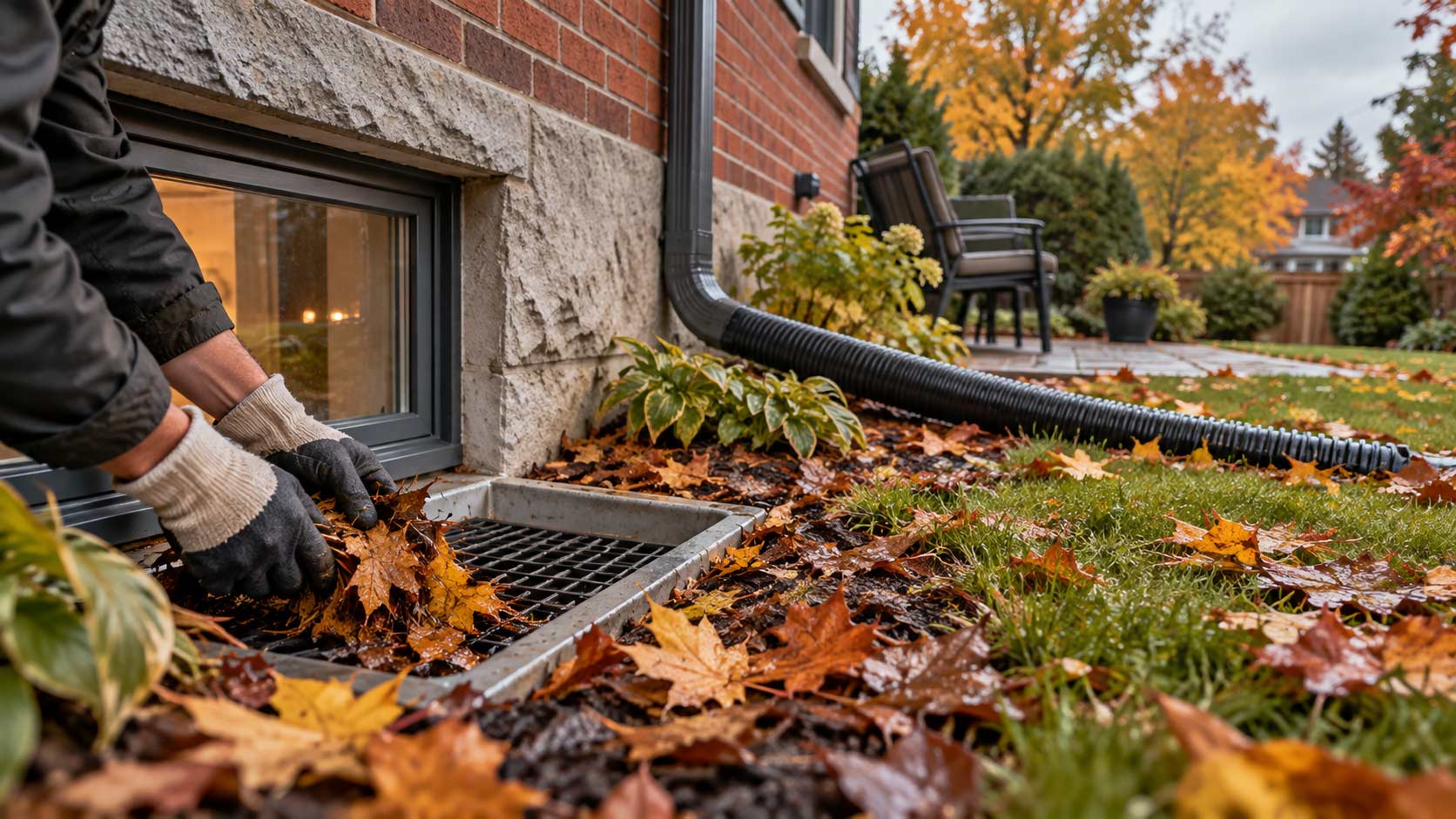
Clear Exterior Drains: Clear leaves, silt, and urban debris from basement walkout drains, window well drains, and driveway trench drains. A blocked walkout drain is the #1 cause of sudden lower-level flooding during short deluges.
Inspect Gutters and Fascia: Clear leaves and organic buildup. Hail and torrential rain add immense weight; if gutter hangers are loose, high-volume flow can rip channels away from your roofline.
Extend Downspouts: Ensure downspout extensions discharge water at least 6 to 8 feet away from your foundation to keep soil from saturating near basement walls.
Check Sump Pumps & Sewer Valves: Test your primary sump pump and verify battery backup power. If you haven't installed an automatic backwater valve to stop municipal sewer surcharges, have a licensed professional evaluate your main line.
Yard Preparation & Tree Canopy
Prune Weak Branches: Inspect mature trees for cracked limbs, deadwood, or branches overhanging utility lines. Microburst winds easily turn dead limbs into heavy structural hazards.
Anchor Outdoor Items: Clean and store patio furniture, barbecues, and loose yard decor. Unanchored items can become destructive projectiles in 90 km/h gusts.
Power Outage & Surge Protection
Surge Defence: Downed power lines and grid transfers cause voltage spikes. Use high-joule surge protectors for appliances or ask an electrician about whole-home surge protection.
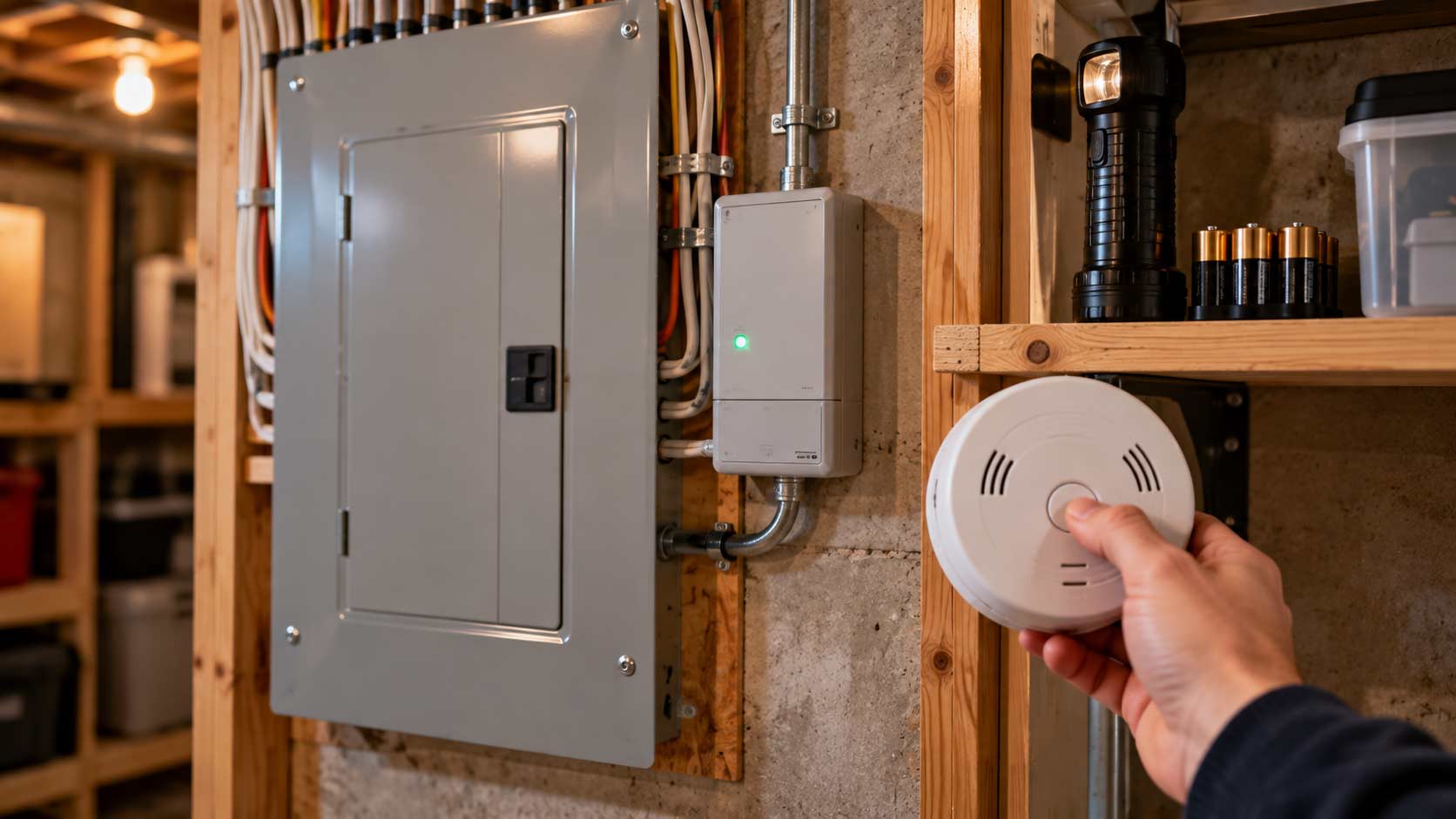
Check Detectors: Test all smoke and carbon monoxide detectors. Replace batteries immediately, and replace units older than 7 to 10 years.
Back-up Generator Maintenance: If you have a portable or standby generator, inspect and run it regularly so it is ready during an emergency. Standby generators usually run on natural gas or propane and self-test on a set schedule, whereas portable generators typically run on gasoline, which requires fresh fuel or stabilizer to avoid carburetor clogging. Always operate portable generators outdoors, far from doors and windows, and never run a combustion engine indoors or in an enclosed space due to carbon monoxide risks.
Part 2: What to Do After a Storm
If a major storm hits your neighbourhood, taking structured steps protects both your personal safety and your financial recovery.
Prioritize Safety First: Never enter a flooded basement or walk through standing water near your electrical panel until power is safely shut off.
Perform a Ground-Level Audit: Use a pair of binoculars to inspect your roof safely from the ground. Look for missing shingles, dented flashing, torn aluminum capping, or pulled gutters.
Document Everything for Insurance: Take clear, timestamped photos and videos of water lines, dented siding, cracked windows, or fallen limbs before beginning cleanup. Thorough initial documentation simplifies your insurance claim process.
Call a Professional Contractor Early: Even minor storm damage—like a hairline crack in roof flashing or a loose piece of siding—can let water seep into wall cavities. Unaddressed moisture turns into hidden mould and structural rot during winter freeze-thaw cycles. Calling a professional renovation contractor like Craftsman Renovations for an early repair prevents massive restoration bills down the road.
Part 3: Building a Resilient Home with Long-Term Climate Retrofits
Repairing storm damage presents an opportunity to upgrade your home with resilient materials that withstand future extreme weather. When planning an exterior update or major remodel, Craftsman Renovations recommends these climate-hardened upgrades:
Class 4 Impact-Resistant Roofing: If your roof needs replacement after hail damage, consider an upgrade to Class 4 impact-resistant shingles or standing-seam metal roofing designed to absorb hail impacts without cracking or losing protective granules.
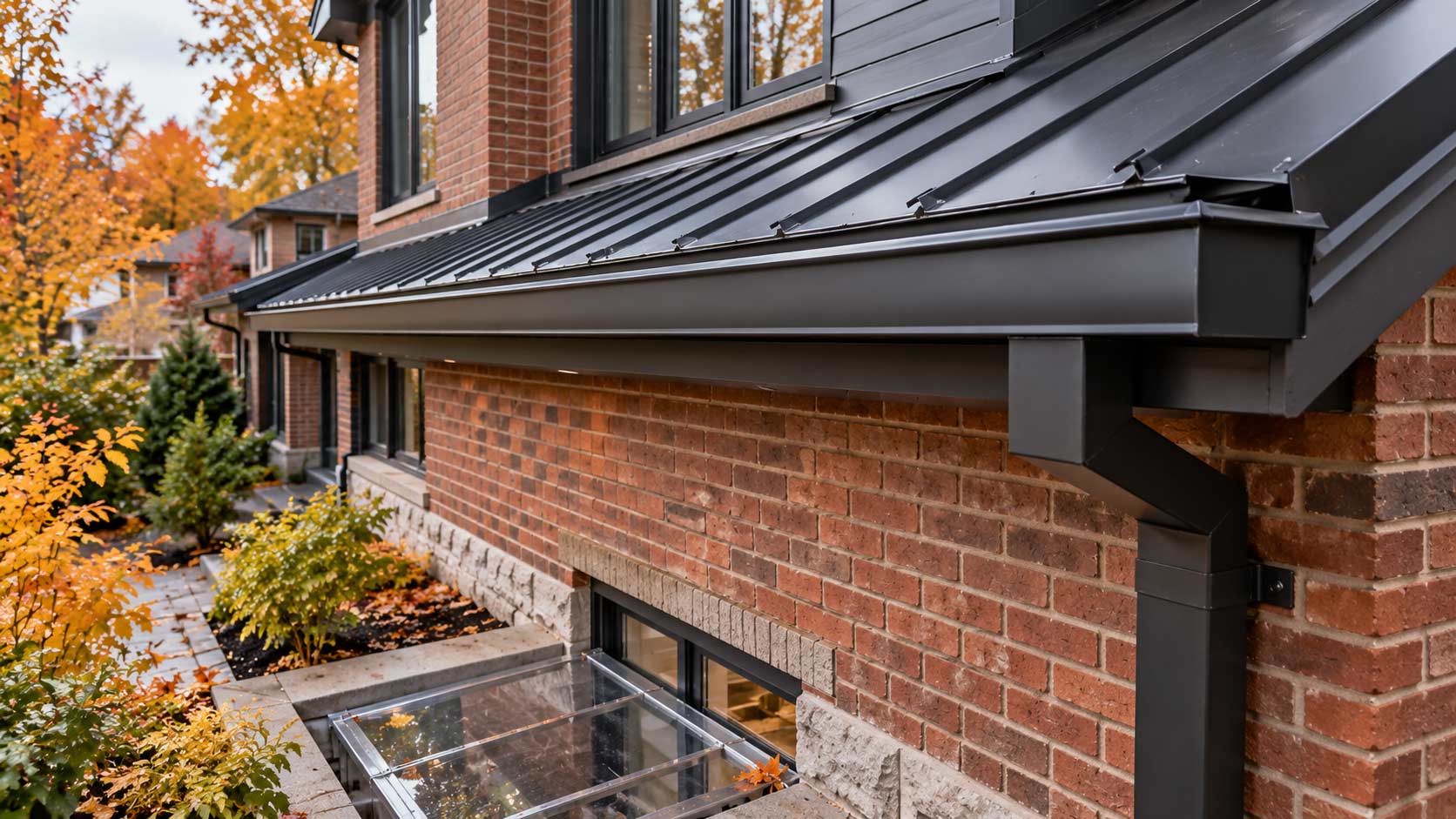
Oversized Gutter Systems: Standard 4-inch gutters often overflow during torrential bursts. Upgrading to 5-inch or 6-inch seamless gutters paired with 3x4-inch downspouts handles extreme downpours effortlessly.
Window Well Enclosures & Impact Glass: Install custom, heavy-duty window well covers to prevent flash-flood accumulation against basement windows. For upper-story windows and skylights, opt for tempered or impact-resistant glass.
Complete Basement Waterproofing: Protect lower living spaces using a defence-in-depth approach: exterior damp-proofing membranes, interior weeping tile systems, dual-pump sump pits, and backwater valves can all save your basement from flooding. The Toronto Basement Flooding Protection Subsisidy should be considered in this instance.
Insulation Upgrade: Fall is a great time to assess and upgrade your attic insulation and ventilation. A new home will require R-60 in this area, which is approximately 16” of blown-in insulation. If you have access, use this as a measurement to self-assess your insulation.
Part 4: The Complete Fall Home Maintenance Checklist
Once your home’s storm defences and exterior envelope are secure, it’s time to focus on interior system tune-ups, energy efficiency, and routine seasonal care. Completing these manageable DIY tasks now will protect your property, improve indoor air quality, and keep your utility bills low all winter long.
Heating System & Furnace Optimization
Your heating system works hardest during the chilly fall and winter months. A thorough inspection before the first cold snap ensures reliable warmth and helps prevent those dreaded middle-of-the-night breakdowns.
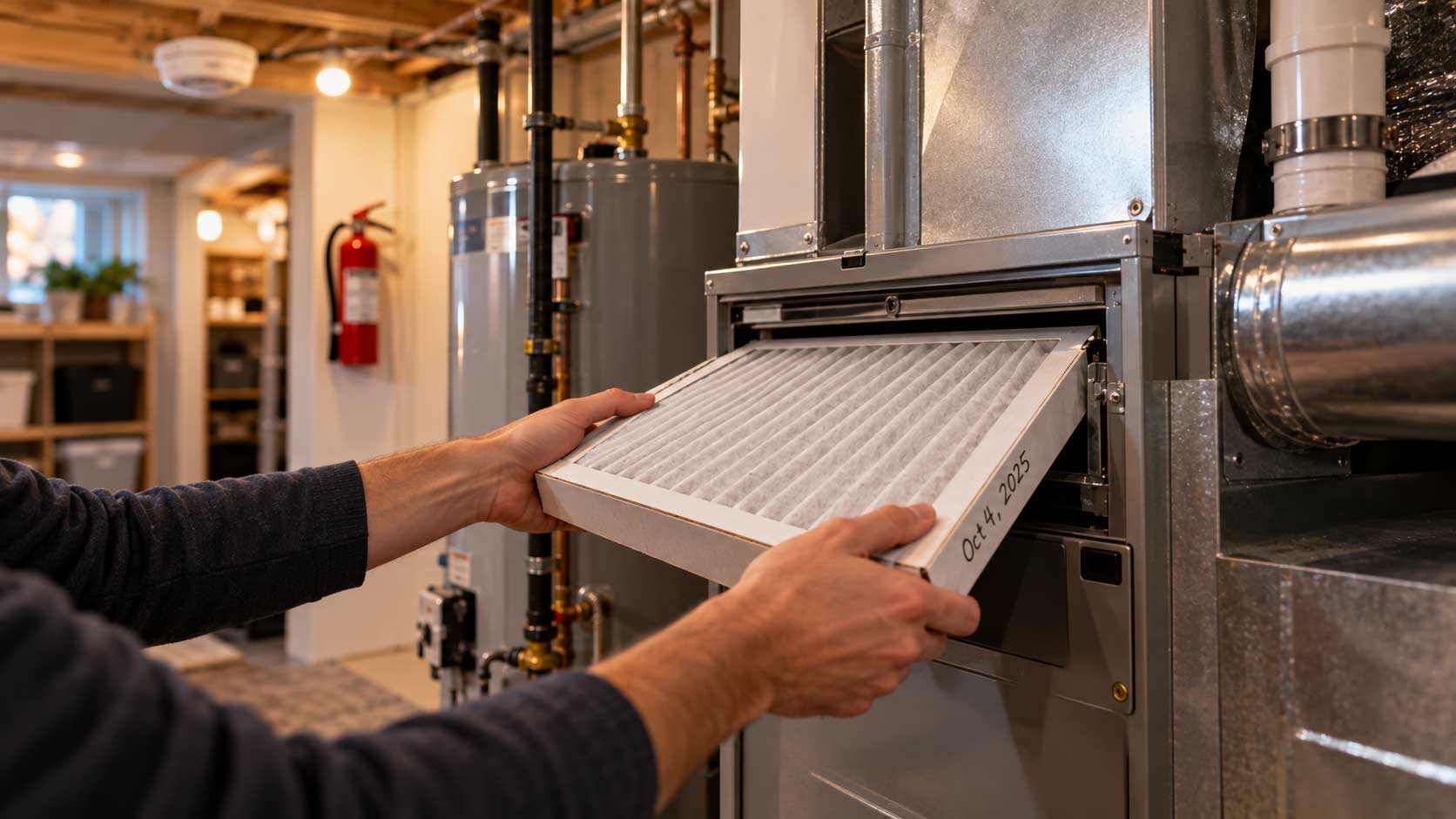
Replace and Date Furnace Filters: Swap out your old HVAC filter for a fresh, pleated filter rated MERV 8 to 11. Write the installation date on the edge of the frame so you know when it’s time to change it again (typically every 60 to 90 days depending on use). Clean filters ease strain on your furnace blower motor and drastically improve indoor air quality. Pro Tip: Make a note of your filter size in your phone to avoid purchasing the wrong replacement filter
Bleed Hydronic Radiators: If your home uses a hot-water heating system, trapped air pockets can prevent radiators from heating evenly. Turn your heat on, take a radiator key, and open the bleed valve at the top of each radiator one at a time until air stops hissing and a steady trickle of water appears. Close the valve and ensure no moisture remains on the fittings.
Vacuum Registers, Return Vents & Ductwork: Remove floor and wall register covers to vacuum out pet hair, dust, and lost items using a vacuum hose attachment. Ensure furniture, rugs, and curtains aren't blocking heat registers or cold-air return vents.
Inspect the Pilot Light or Ignition System: On older gas furnaces, check that the pilot flame burns a clean, steady blue (a yellow or flickering flame indicates incomplete combustion and requires immediate professional service from a certified technician).
Sealing the Building Envelope (Air & Moisture Leaks)
Tiny gaps around your doors, windows, and utility penetrations act like open holes in your home, letting valuable heat escape and inviting wind-driven rain inside.
The Flashlight or Incense Draft Test: On a windy evening, light an incense stick or hold a flashlight from the outside while someone checks from inside around window casings and door frames. If the smoke flickers or light leaks through, you have an active draft.
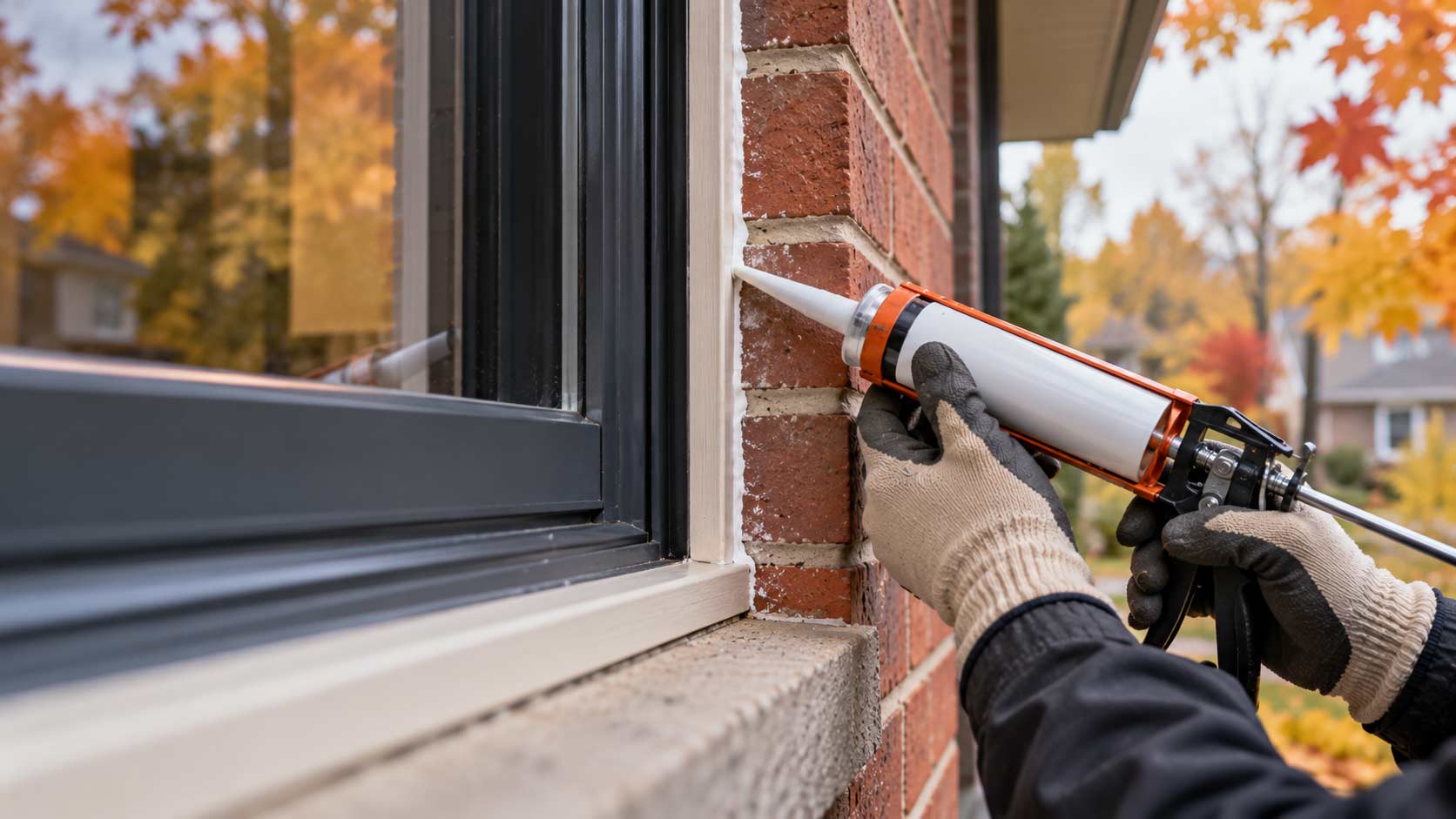
Refresh Exterior Caulking: Remove cracked or peeling caulk around window frames, exterior door trim, and pipe penetrations using a utility knife. Apply a fresh bead of 100% silicone or elastomeric exterior sealant, which remains flexible during extreme freeze-thaw cycles.
Replace Worn Weather Stripping: Check the flexible foam, rubber, or felt seals around entry doors and garage access doors. If the material is flattened, brittle, or torn, replace it with heavy-duty adhesive weather stripping to eliminate bottom and side drafts.
Install Outlet and Switch Insulators: Electrical boxes on exterior-facing walls are notorious sources of cold drafts. Unscrew the cover plates and insert inexpensive foam gasket insulators behind them to seal off cold air infiltration.
Hose Bibs & Exterior Plumbing Protection
Trapped water inside exterior pipes can freeze, expand, and burst copper or PEX supply lines inside your home's walls—often causing thousands of dollars in water damage before it's detected.
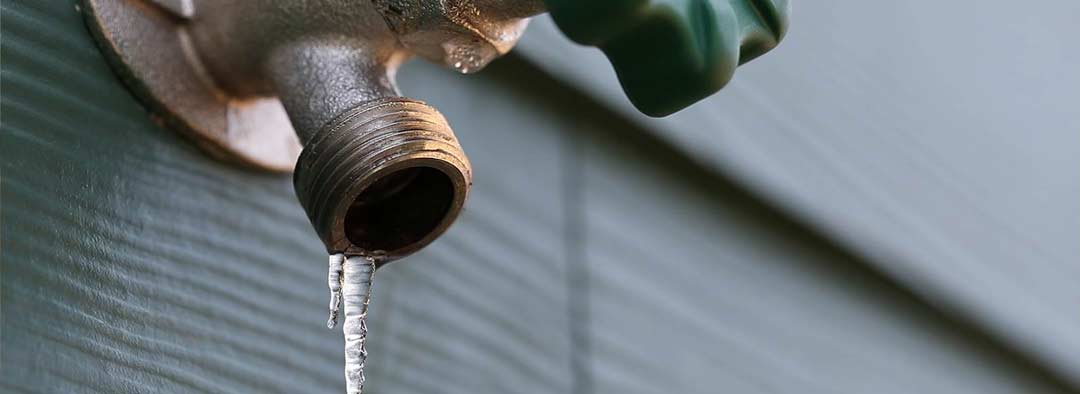
Disconnect, Drain, and Store Hoses: Never leave garden hoses attached to exterior taps overnight once temperatures drop near freezing. Trapped water in the hose prevents the frost-free valve from draining, leading to pipe failure. Drain all water from your hoses, roll them neatly, and store them indoors or in a shed to prevent rubber cracking.
Shut Off Interior Isolation Valves: Locate the interior shut-off valve for each outdoor hose bib (usually found in the basement or utility room near the joists). Turn the valve clockwise to stop the water supply, then go outside and open the exterior tap fully to let trapped water drain out.
Install Insulated Faucet Covers: For added peace of mind—especially on older homes without frost-proof sillcocks—fit insulated foam or fabric covers over all exterior taps.
Appliance & Fire Safety Tune-Ups
Fall is the ideal seasonal reminder to service heavy-use appliances and verify that safety equipment is fully operational.
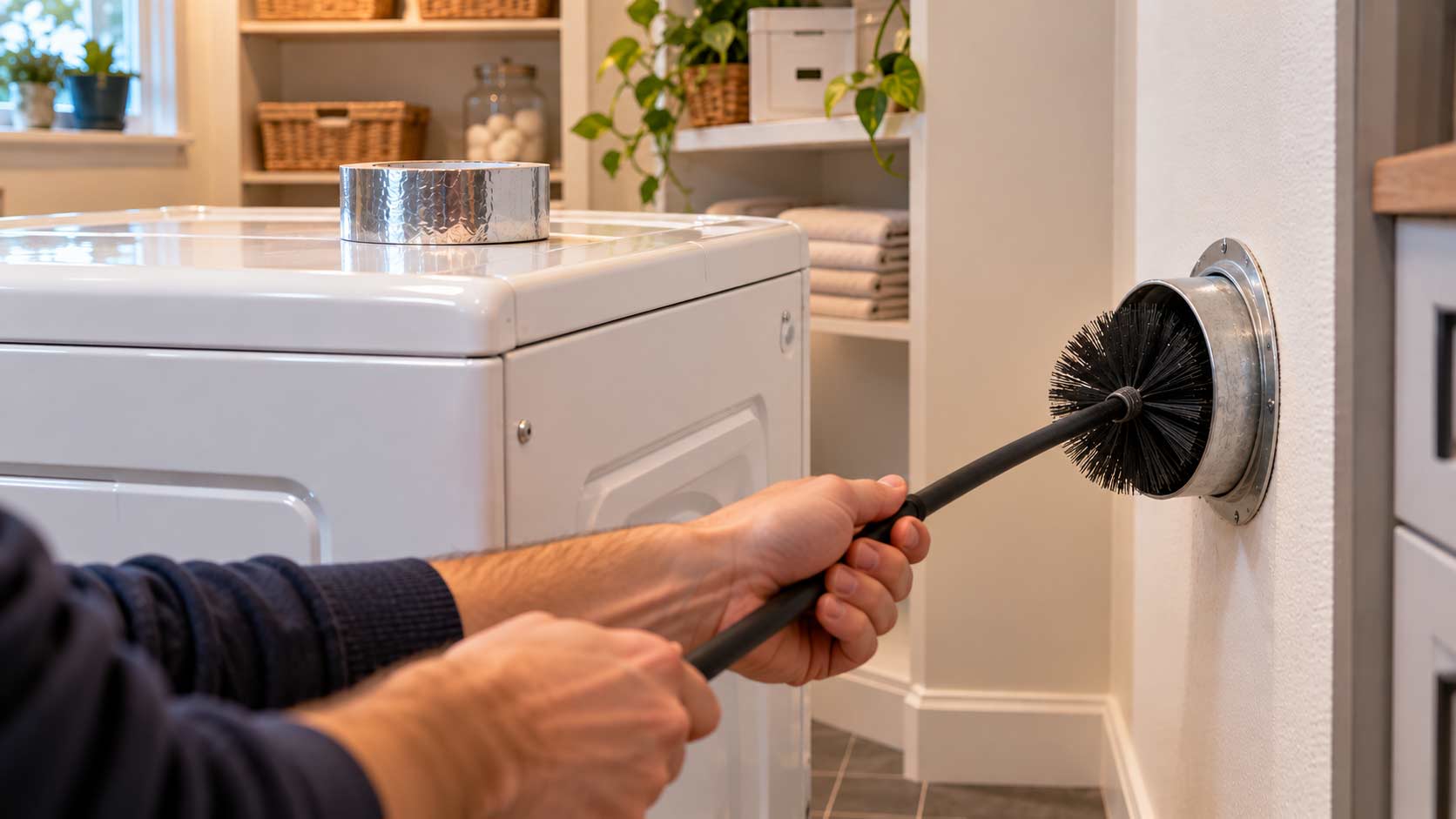
Deep Clean Dryer Vents: Clogged dryer vents are a leading cause of residential house fires and severely reduce your dryer's performance. Disconnect the flexible ducting behind your dryer and use a rotary dryer vent cleaning brush kit (available at any home improvement store) to sweep out compacted lint. Inspect the exterior vent hood flap to ensure it swings freely and isn't blocked by nests or lint build-up.
Flush the Water Heater: Sediment and mineral scale build up at the bottom of your hot water tank over time, reducing heating efficiency and causing premature tank failure. Hook a garden hose to the drain valve at the bottom of the tank, open the valve, and drain a few gallons into a bucket or floor drain until the water runs clear. If you have a tankless unit, check if it requires annual descaling or professional servicing.
Test and Replace Alarms: Press and hold the test button on every smoke and carbon monoxide detector in your home. Replace batteries immediately in all units. Check the manufacture date stamped on the back: replace smoke detectors every 10 years and carbon monoxide units every 5 to 7 years. All modern smoke detectors have expiry dates printed on them, so there is no reason to question whether they are still effective.
Check Fire Extinguishers: Ensure you have an ABC-rated fire extinguisher on every floor, especially in the kitchen and near utility rooms. Check that the pressure gauge indicator rests in the green operational zone. A fire blanket is also a great addition to your emergency readiness kit.
Lawn, Garden & Hardscape Preservation
Prepping your yard and hardscaping in late autumn ensures your outdoor spaces bounce back quickly when spring arrives.
Final Lawn Care Pass: Give your grass its final cut of the season at a lower height of roughly 1.5 to 2 inches. This prevents grass blades from matting down under heavy snow cover, which causes snow mold. Aerate compacted soil and apply a high-potassium fall fertilizer blend to strengthen root systems through the freeze.
Protect Garden Beds and Shrubs: Spread a 2- to 3-inch layer of organic mulch around sensitive perennials, young trees, and garden beds to insulate root structures against frost heaving. Wrap vulnerable broadleaf evergreens or delicate shrubs in burlap to shield them from harsh winter winds and salt spray.
Seal Concrete and Paving: Inspect driveways, stone walkways, and concrete patios for hairline cracks. Seal cracks with elastomeric masonry filler to prevent meltwater from seeping inside, freezing, and spalling the surface.
Roof & Eaves Inspection
Your roof and eavestrough system are your home's primary line of defence against autumn rains and winter snow accumulation. Taking time to inspect and clear these overhead elements before freezing temperatures arrive can prevent costly ice dams and water intrusion.
Check Shingles for Wear and Storm Damage: Safely inspect your roofline from the ground using binoculars or hire a certified professional. Look for cracked, curling, or missing asphalt shingles, as well as bald spots where protective granules have worn off, leaving the underlying felt exposed.
Examine Flashing, Valleys, and Seals: Inspect metal flashing around chimneys, skylights, ridge vents, and plumbing stacks. Ensure caulking seals are intact and that flashing isn't lifted or rusted, as these junctions are the most common entry points for water leaks.
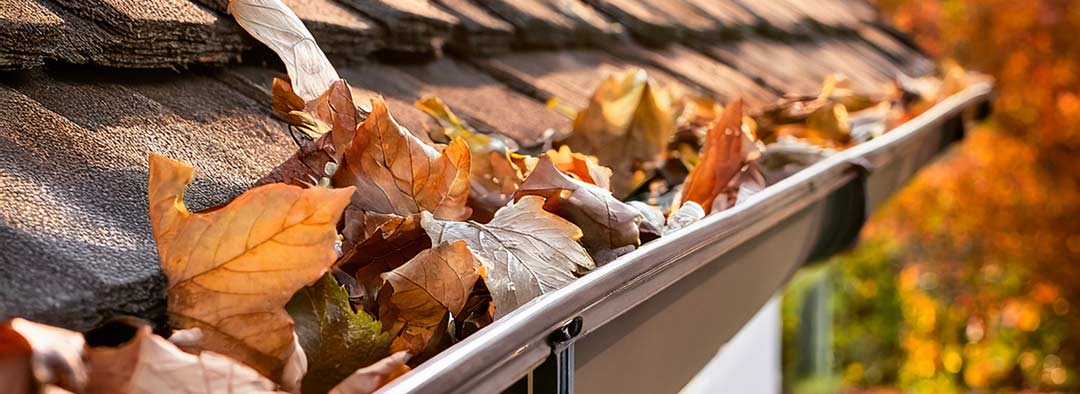
Clear Eaves, Gutters, and Downspouts: Scoop out fallen leaves, pine needles, and organic debris from eavestroughs after the final autumn leaf drop. Flush gutters with a hose to verify that water flows freely through downspouts and drains away from your foundation without leaking behind fascia boards.
Install and Test De-Icing Cables: In areas prone to heavy winter snowfall and freeze-thaw cycles, install self-regulating heat trace/de-icing cables along roof overhangs, valleys, and downspouts. Plug in and test existing cables in autumn before the first snowfall to ensure they heat evenly and keep drainage pathways open to prevent destructive ice dams.
Restoring & Protecting Your Home with Craftsman Renovations
Whether you are navigating post-storm repairs, looking to upgrade your home’s exterior envelope, or planning to take advantage of the colder months to renovate your kitchen, bathroom, or basement, having a trusted partner makes all the difference.
At Craftsman Renovations, we treat your home with the care, respect, and expertise it deserves. We specialize in structural repairs, climate-resilient upgrades, and custom interior remodels built to withstand the elements for decades to come.
Need help repairing storm damage or prepping your home for winter?
A resource for Toronto homeowners looking to make the most of their home improvement journey.
From practical maintenance tips to design inspiration and renovation insights, we share expert advice to help you plan with confidence and create a home you truly love.
You will receive outstanding communication and professional service from our trusted team of industry experts. We will guide you through the renovation process from start to finish with dedication to always providing our clients a positive building experience.
The foundation of a significant renovation is built long before a shovel hits the dirt. We believe in relationships and putting people first. You have our guarantee on this.
Let's collaborate and start working on your next great home improvement project.